
Why Brass Neutral Links are Essential for Circuit Protection
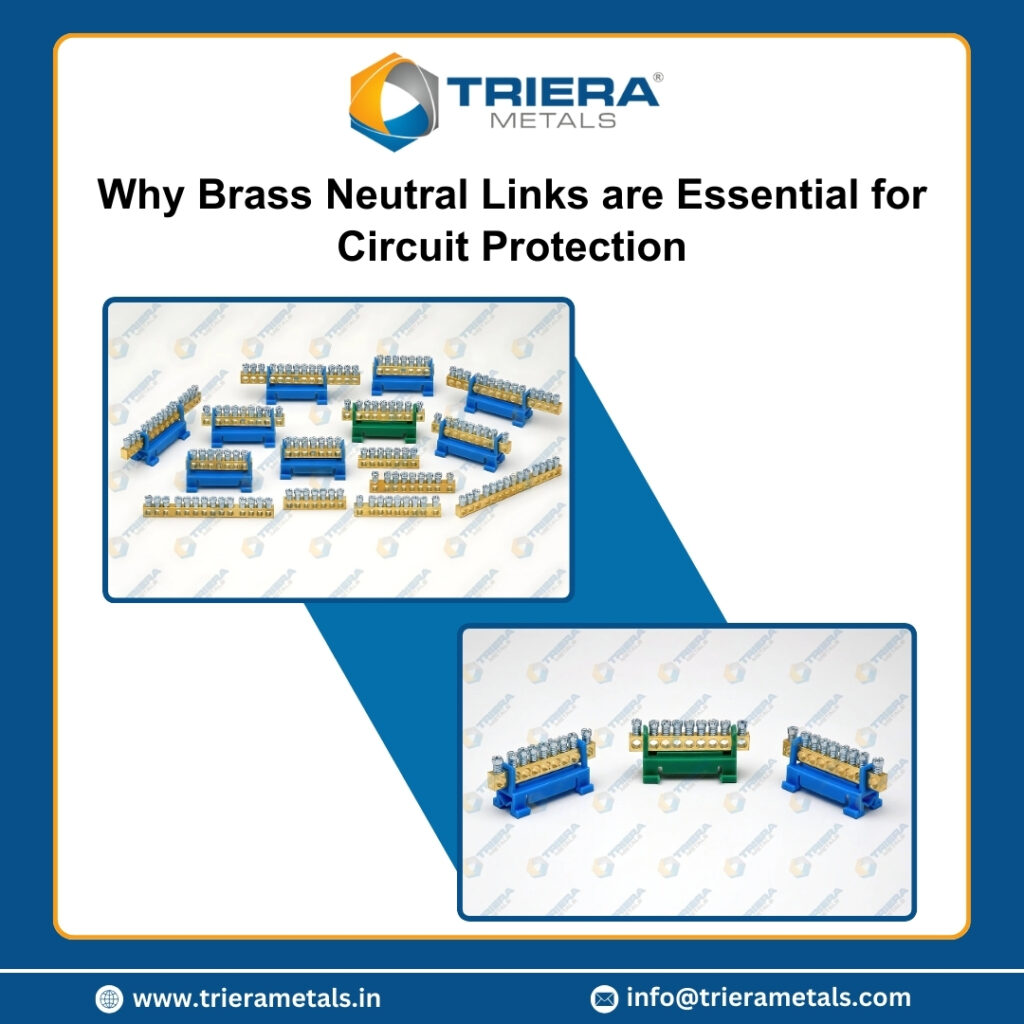
In electrical systems, circuit protection is essential for maintaining safety, efficiency, and reliability. Among the various components used for effective electrical management, brass neutral links are vital. These components are key to grounding and distribution, making them an indispensable part of electrical panels and distribution boards.
What Are Brass Neutral Links?
Brass neutral links are electrical components designed to facilitate the distribution of neutral current and ensure proper grounding within an electrical system. They act as a terminal where neutral wires from multiple circuits connect, helping to balance the electrical load and maintain safety. These links are typically manufactured from high-quality brass due to its superior conductivity, corrosion resistance, and mechanical strength.
The Importance of Brass Neutral Links in Circuit Protection
Efficient Current Distribution
Brass neutral links help distribute the neutral current efficiently, preventing overload and ensuring balanced power supply across circuits. This reduces the risk of short circuits and electrical failures.
Enhanced Safety
These links play a critical role in preventing electrical shocks and hazards by providing a reliable path for neutral current. Proper grounding through neutral links minimizes voltage fluctuations, which can otherwise damage appliances and pose safety risks.
Corrosion Resistance
Unlike other metals, brass exhibits excellent corrosion resistance, making it ideal for long-term use in electrical applications. This ensures durability and reduces maintenance costs in electrical systems.
Superior Conductivity
Brass, an alloy of copper and zinc, possesses high electrical conductivity. This enables efficient current flow, reducing energy loss and improving the overall performance of the electrical system.
Customizable and Versatile
Brass neutral links help distribute the neutral current efficiently, preventing overload and ensuring balanced power supply across circuits. This reduces the risk of short circuits and electrical failures.
Thermal and Mechanical Stability
Brass neutral links exhibit excellent thermal stability, making them capable of handling high temperatures without degrading. This property ensures consistent performance even in demanding electrical applications.
Applications of Brass Neutral Links
Brass neutral links are widely used across multiple industries, including:
- Electrical Panels & Distribution Boards: Ensuring safe and efficient power distribution.
- Industrial Automation: Providing stable electrical connections in automated systems.
- Telecommunications: Used in networking and data transmission systems.
- Renewable Energy Systems: Employed in solar and wind energy installations for effective power management.
- Residential & Commercial Electrical Systems: Enhancing safety and reliability in homes, offices, and commercial buildings.
- Marine & Aerospace Applications: Used in highly sensitive environments where precision and reliability are crucial.
Choosing the Right Brass Neutral Links
When selecting brass neutral links for your electrical system, consider the following factors:
- Material Quality: Opt for high-grade brass with superior conductivity and corrosion resistance.
- Size and Configuration: Choose the appropriate size and hole configuration based on your electrical panel requirements.
- Thread Type and Plating: Select thread types and surface plating (such as nickel or tin plating) that enhance performance and longevity.
- Compliance with Standards: Ensure that the neutral links meet industry standards and certifications for safety and efficiency.
- Load Capacity: Consider the maximum current load the neutral link can handle to ensure it aligns with your application needs.
Conclusion
Brass neutral links are essential components in modern electrical systems, offering enhanced safety, efficiency, and durability. Their ability to provide stable neutral connections, resist corrosion, and ensure seamless current distribution makes them a preferred choice for circuit protection. Whether in industrial, commercial, or residential applications, these small yet powerful components play a pivotal role in electrical safety and performance. Choosing high-quality brass neutral links ensures reliable electrical connections, minimizing the risk of faults and enhancing the longevity of electrical systems.